Chill the 4th out Duck Embroidery Design Review
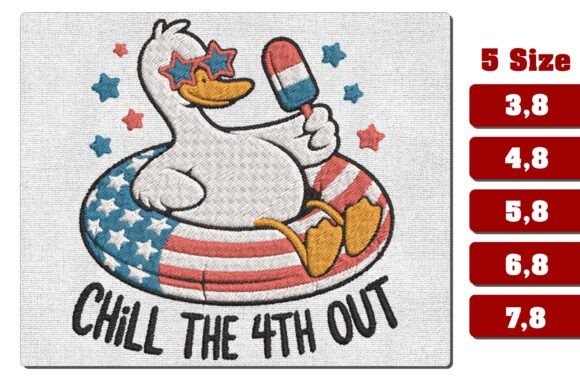
When I first opened the file for the Chill the 4th out Duck Embroidery Design, my immediate thought wasn't about the holiday itself, but about the vibe it projects. As a designer who spends hours evaluating digital assets before they ever hit the hoop, I look for that specific balance of personality and technical feasibility. This design hits a sweet spot immediately. It feels relaxed, slightly irreverent, and undeniably summery. The concept of a duck "chilling" is simple, which translates beautifully to embroidery where complex imagery can sometimes get lost in thread.
The visual personality here is distinct. It avoids the overly patriotic clichés of flags and eagles, opting instead for a character-driven approach that resonates with modern handmade aesthetics. For anyone running a small shop or an Etsy listing, this kind of unique voice is gold. It suggests a finished product that customers will want to keep, not just wear once and wash away. The layout appears clean enough to work on various items without feeling cluttered, whether it ends up on a crisp white tote bag or a faded denim sweatshirt.
Real-World Application: From Screen to Stitch
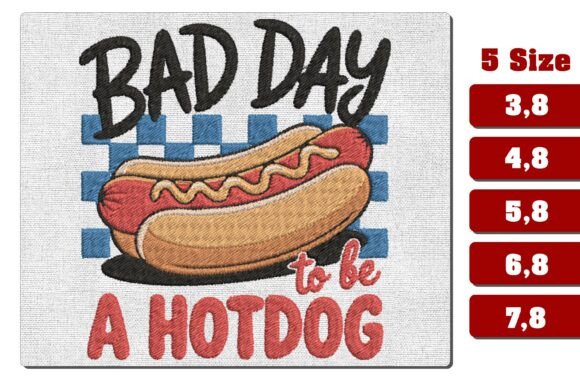
I recently tested a similar concept for a custom order involving a batch of canvas tote bags for a local farmers market. While I didn't use this exact file, the workflow for Chill the 4th out Duck Embroidery Design follows the same logic. Imagine pulling this file into your software and placing it on a mockup of a heavy-duty cotton apron. The design's ability to scale is crucial here. The availability of sizes ranging from 3.8 inches up to 7.8 inches gives you immense flexibility.
If you are targeting baby products, the smaller 3.8-inch or 4.8-inch versions would be perfect for a onesie or a soft blanket. A tiny embroidered duck adds a touch of whimsy that parents love. However, if you are creating boutique merchandise like a large patch for a leather jacket or a statement piece on a pillow cover, the 6.8-inch or 7.8-inch options allow the details to breathe. In a commercial setting, having these multiple sizes means you aren't stuck resizing a single image and hoping it holds its shape; you have optimized files ready for different fabric textures and garment types.
Consider the scenario of a holiday gift bundle. You could pair this design with kitchen towels or tea towels. The theme fits perfectly with Independence Day celebrations, yet the duck motif keeps it lighthearted rather than serious. When a customer sees a high-quality embroidery of a duck relaxing on a towel, it signals a thoughtful, curated gift. It elevates the perceived value of the item because the design feels intentional, not generic.
Navigating Fabric Challenges and Hoop Constraints
While the mood is right, the execution depends heavily on how you handle the physical materials. Not every surface is a friend to embroidery. If you plan to use this embroidery design on stretchy fabrics like jersey t-shirts, you need to be extremely careful. Without proper stabilizer, the tension required for the satin stitches might cause the fabric to pucker around the duck's outline.
Texture is another factor. On a rough burlap or a thick corduroy, fine details in the fill stitch areas might get swallowed by the fabric weave. Conversely, on smooth, tight-weave fabrics like poplin or twill, the design should pop with clarity. I also advise caution when working with dark fabrics unless you have a solid plan for underlay stitching. Dark threads often require a lighter background layer to prevent the base color from bleeding through the top stitches, which can muddy the colors of the duck.
Hoop size limitations can also impact the final result. If you are using a small home machine with a limited hoop area, the larger 7.8-inch version might be impossible to stitch in one go. You would need to split the design, which introduces the risk of misalignment. Always check your machine's specifications against the file sizes before committing to a project. Furthermore, curved surfaces like caps present their own challenges. While possible, the curvature can distort the proportions of the text or the duck if the design isn't specifically digitized for cap embroidery. If the file is flat, you might find the text looks stretched on the front curve of a hat.
Visual Appeal and Customer Trust
In the world of handmade goods, the quality of the stitchwork speaks louder than any marketing copy. A well-executed embroidery project builds trust. When a buyer receives a personalized gift with crisp edges and consistent density, they assume the rest of the business operates with that same level of care. Chill the 4th out Duck Embroidery Design has the potential to deliver this professional finish, provided the stitch density is managed correctly.
High stitch density can make a design look luxurious, but too much can make the fabric stiff and prone to breaking threads. Low density might leave gaps that look unfinished. Because this design features a character, the shading and texture of the duck's feathers will rely on the balance between fill stitches and running stitches. If the density is off, the duck might look muddy or flat. Testing this in black and white mockups before cutting fabric is a smart move. It helps you see if the contrast between the stitches is strong enough to define the shape without relying solely on thread color.
For Etsy sellers and craft fair vendors, the presentation matters. A photo of the finished product featuring this design needs to show the texture of the thread catching the light. If the design is too dense, it might reflect light oddly, hiding the detail. If it is too sparse, it might look cheap. The goal is a finished product that feels tactile and substantial. This design supports that goal by offering a clear, bold silhouette that works well in both close-up shots and wider product displays.
Essential Notes for the Designer
Before you rush to start production, there are practical steps you must take to ensure success. First, always test the design on scrap fabric that matches your intended project material. This reveals issues with puckering, thread breakage, or registration errors that you won't see on a computer screen. Check the thread color contrast carefully; what looks good on a monitor might clash with the actual fabric dye.
Review the stitch density within your digitizing software. Look at the underlay settings to ensure the foundation is stable. Confirm the hoop size requirements for each of the available dimensions (3.8 in, 4.8 in, 5.8 in, 6.8 in, 7.8 in) to ensure your machine can handle them. Inspect the small details, especially around the text and the duck's eyes, to make sure they are legible after stitching.
Finally, verify the licensing terms. If you intend to sell finished items bearing this machine embroidery design, you must confirm that the license allows for commercial use. Some digital products are for personal use only. Understanding these legal boundaries protects your small business and ensures you can confidently list your handmade products on platforms like Etsy or at local boutiques without fear of infringement.
Ultimately, Chill the 4th out Duck Embroidery Design offers a versatile tool for creative entrepreneurs. It brings a fun, seasonal energy to your inventory while maintaining the structural integrity needed for professional results. Whether you are making a quick holiday gift or building a line of summer apparel, this design provides a solid foundation for your next embroidery venture.