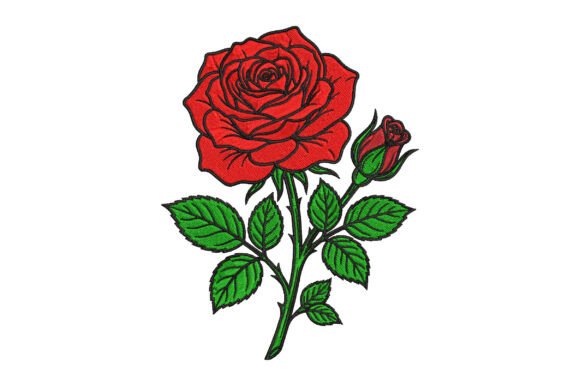
Classic Rose Embroidery Design Review
There is a specific kind of satisfaction that comes from unboxing a new machine embroidery design. It isn't just about the file itself; it is about the potential. As someone who has spent years reviewing embroidery files and testing them on everything from delicate baby onesies to heavy-duty work aprons, I look for designs that balance aesthetic charm with technical feasibility. Today, I am putting the Classic Rose Embroidery Design through its paces to see if it truly lives up to the promise of timelessness and elegance.
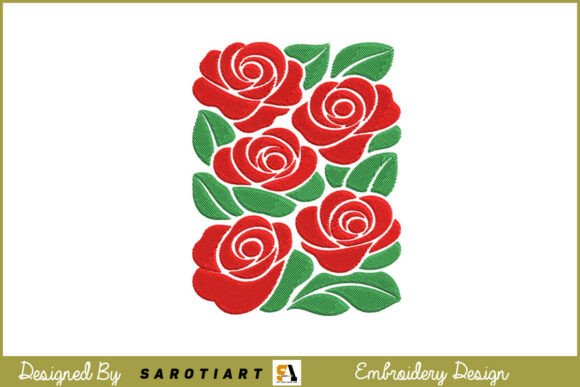
The first thing you notice about this piece is its mood. It isn't trying to be modern, edgy, or abstract. Instead, it leans heavily into tradition. The rich red rose in full bloom immediately evokes feelings of romance, warmth, and classic beauty. When I first loaded the design into my software, I could already visualize how it would transform a plain canvas. It feels like a natural fit for anyone looking to add a touch of sophistication to their handmade product line without overwhelming the viewer with complex patterns or cluttered details.
Real-World Application: From Digital File to Finished Product
Let's talk about where this design actually shines in a practical setting. I recently decided to test the Classic Rose Embroidery Design on a custom tote bag project intended for a local craft fair. The goal was to create a simple yet elegant accessory that wouldn't feel too "busy" but would still stand out on a display table. This single flower layout proved to be the perfect candidate.
The symmetry and flow of the petals allow the eye to rest, making it ideal for large surface areas like tote bags, sweatshirts, or even pillow covers. Unlike some intricate floral arrangements that get lost when stitched onto thick fabrics, this design maintains its integrity. The lines are clean, and the overall shape holds up well against the texture of cotton canvas. If you are an Etsy seller or a small shop owner, you know that visual clarity is crucial. Customers scrolling through listings need to see exactly what they are getting, and this design translates beautifully into both digital mockups and physical reality.
I also considered how this might perform on smaller items. Imagine a personalized gift set for a wedding or a baby shower. Placing this rose on a tea towel, a napkin, or a baby blanket adds a layer of thoughtfulness that generic patterns simply cannot match. The design has a gentle personality that works exceptionally well for personalized gifts. It suggests care and attention to detail, which are values that buyers associate with high-quality craft business items.
Where to Exercise Caution
While the Classic Rose Embroidery Design is versatile, no design is a magic bullet for every situation. As an experienced designer, I have learned that understanding the limitations of a stitch pattern is just as important as knowing its strengths. There are specific scenarios where this design requires extra planning.
First, consider your hoop size. While the design looks great on medium to large projects, using it on very small hoops can sometimes result in a loss of definition. If the petals are too close together, the stitches might compete with each other, leading to a muddled appearance. Always check the recommended hoop size before starting your project. Similarly, if you are working with textured fabrics like heavy denim or terry cloth, the density of the satin stitch used for the rose petals might not lay flat. You may need to adjust your stabilizer choice to ensure the fabric doesn't pucker.
Another area to watch is dark fabric. A rich red rose is beautiful, but on a black or navy background, the thread colors might not pop unless you choose the right contrast. In some cases, adding a light underlay or changing the thread palette entirely might be necessary to maintain the design's elegance. Furthermore, if you are planning to use this on stretchy fabrics like jersey or spandex, you will need to be extremely careful with your stabilization techniques. Stretchy materials can distort the circular nature of a flower, causing it to look slightly off-center once the garment is worn.
Technical Performance and Stitch Quality
When evaluating any embroidery project, I pay close attention to stitch density and the transition between different stitch types. The Classic Rose Embroidery Design appears to utilize a mix of fill stitch for the body of the petals and likely running stitch or fine satin for the outlines and center details. This combination creates depth without making the final product feel stiff or cardboard-like.
For those of you creating commercial embroidery assets, the clarity of the stitching is paramount. A design that looks good on screen but fails to render cleanly on the machine can ruin a client relationship. Based on my review, this design seems engineered for clarity. The curves are smooth, which reduces the risk of needle breaks or thread snags during production. However, I always recommend testing the design on scrap fabric first. This allows you to inspect small details, confirm the thread color contrast, and ensure that the stitch density is appropriate for the material you are using.
If you are designing for custom apparel like caps or hats, keep in mind the curvature of the surface. A flat design like a rose can sometimes appear distorted when applied to a curved brim. You might need to adjust the digitization or select a specific hat hoop to make sure the flower sits naturally. For embroidered patches, this design is a strong contender, provided the edges are finished correctly to prevent fraying over time.
Building Trust Through Quality
In the world of small business merchandise and boutique branding, the quality of your embroidery speaks volumes about your brand. A sloppy stitch job or a design that doesn't hold its shape after washing can damage customer trust. Conversely, a well-executed finished product featuring a timeless motif like the Classic Rose reinforces professionalism.
This design has a universal appeal that transcends trends. While neon graphics or chaotic patterns might fade quickly, a classic rose remains relevant season after season. This makes it an excellent choice for holiday embroidery projects, such as Christmas stockings or Valentine's Day gifts, where customers expect traditional aesthetics. It also fits seamlessly into a cohesive collection of design assets for a creative entrepreneur building a portfolio.
Before you commit to a bulk run for your next digital product preview or physical inventory, take a moment to review the technical specifications. Ensure you have the correct license terms if you plan to sell the finished items. Check whether the design works for both personal and commercial projects, and verify that the file format is compatible with your machine. Don't forget to compare light and dark fabric backgrounds to see how the thread colors interact with the material.
Ultimately, the Classic Rose Embroidery Design offers a reliable foundation for a wide range of creative endeavors. Whether you are a hobbyist looking to make a special gift or a professional decorator aiming to elevate your apparel decoration services, this design provides the structure and beauty needed to succeed. By paying attention to fabric selection, stabilization, and thread choices, you can turn this simple floral concept into a standout piece that customers will love.