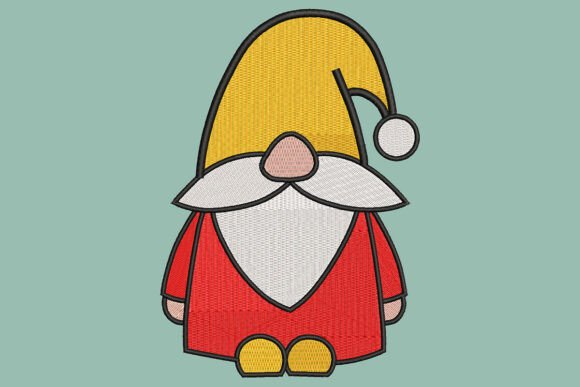
Sleepy Gnome Embroidery Design Review
As a professional embroidery designer who has spent years refining digital assets for commercial production, I approach every new file with a critical eye. When evaluating the Sleepy Gnome Embroidery Design, my primary focus is not just on how cute it looks, but on its viability as a tool for small business growth. In the current market of handmade brands and boutique merchandise, the difference between a generic decoration and a cohesive brand asset often comes down to stitch quality, scalability, and design intent. This review analyzes whether this specific design file serves as a robust solution for branded patches, staff uniforms, and high-value product add-ons.
First Impressions: Personality and Brand Fit
The moment you load the Sleepy Gnome Embroidery Design into your digitizing software, the aesthetic immediately communicates a sense of warmth and whimsy. Based on the description highlighting a "quick, smooth and perfect stitch out," this file promises a modern take on traditional rustic imagery. The name itself suggests a Winter theme, which aligns perfectly with seasonal collections or cozy, homey brand identities.
For a small business owner, visual consistency is paramount. Does this design feel like a premium addition to your inventory, or does it look like a clip-art afterthought? From a designer's perspective, the promise of manual drafting implies that the lines are intentional and optimized for machine execution. It feels friendly yet professional, making it an excellent candidate for businesses that want to project a welcoming atmosphere without sacrificing quality. Whether you run a bakery, a florist shop, or a creative studio, this design bridges the gap between playful charm and polished presentation.
Real-World Application for Small Business Merch
The true test of any embroidery file is how it performs in real-world commercial scenarios. Let us imagine a local café or a handmade boutique looking to expand their revenue streams. The Sleepy Gnome Embroidery Design offers versatility across several key product categories.
- Custom Apparel and Uniforms: For staff wearing work shirts or aprons, this design serves as a charming accent. Placed on the chest or the pocket area of an apron, it humanizes the brand and makes employees appear more approachable to customers.
- Branded Patches: One of the most profitable uses of this design is converting it into an embroidered patch. Small businesses can sell these as collectibles or attach them to tote bags and beanies. The clean outlines described in the prompt suggest it will hold up well as a distinct patch application.
- Caps and Headwear: A cap front logo is a classic marketing tool. If the design density is managed correctly, this gnome motif can sit perfectly on a structured cap, offering a unique alternative to standard text-only logos.
- Tote Bag Design: Tote bags remain a staple for crafters and Etsy sellers. Using this design on a canvas tote creates a practical gift item that customers will use daily, effectively turning shoppers into walking billboards for your brand.
- Product Packaging Accents: Consider attaching a small version of this design to the tags of your handmade products. This level of detail elevates the perceived value of the finished product and signals to the buyer that care was taken in the creation process.
Strategic Placement and Visual Impact
When integrating the Sleepy Gnome Embroidery Design into your small business merch, placement dictates perception. On a dark uniform, the thread colors must provide sufficient contrast to ensure the design pops. However, on lighter fabrics like cream aprons or white t-shirts, the design can shine with a softer, more elegant appearance. This flexibility allows designers to create a cohesive look across different product lines, from winter hats to summer tote bags.
Furthermore, using a professionally stitched design directly impacts customer trust. A sloppy stitch job can undermine the quality of the product inside the packaging. Conversely, a machine embroidery design that stitches smoothly and cleanly reinforces the idea that the entire brand operates with precision and care. This visual consistency is crucial for building a loyal customer base that values craftsmanship.
Critical Considerations for Production Success
While the potential is high, an experienced designer knows that success lies in preparation. There are specific areas where the Sleepy Gnome Embroidery Design requires careful attention to avoid costly mistakes during production.
Size and Detail Limitations: Not all designs translate well to tiny formats. If you intend to use this as a small patch or a subtle sleeve detail, you must verify that the fine details do not get lost in the stitching. Extremely small sizes can sometimes result in a muddy appearance if the stitch density is too high. Always inspect the spacing between elements to ensure they remain distinct when reduced.
Fabric Texture and Stability: The choice of fabric is equally important. Textured fabrics, such as heavy denim or bouclé, can distort the shape of the design. To mitigate this, proper stabilizer usage is non-negotiable. Without adequate support, the stitch density may cause the fabric to pucker, ruining the professional finish. Additionally, curved surfaces like caps require specialized hoops and techniques to maintain the integrity of the design geometry.
Washability and Durability: For items that need frequent washing, such as work aprons or staff uniforms, the durability of the thread and the tightness of the stitches are vital. Designs with large areas of fill stitching can sometimes trap lint or wear down faster than outline-heavy designs. Ensure that the thread colors selected are colorfast and suitable for the intended garment care routine.
Practical Designer Notes for Commercial Use
Before committing to a full production run, I strongly advise following a rigorous testing protocol. First, create a printable mockup to visualize the design on your actual product. This helps clients approve the look before any needle pierces fabric. Next, test the design in black and white first to check the balance of light and dark threads without the distraction of color.
Always confirm the hoop size required for the design to ensure it fits your available equipment. Review the thread color contrast to make sure the gnome stands out against the background fabric. If you are creating an embroidered patch, test the backing material to ensure it adheres properly to the target garment. Finally, compare the design beside other design assets in your library to ensure it matches the overall style and tone of your brand identity.
Most importantly, confirm commercial licensing terms. Just because a file is purchased does not always grant the right to use it for mass-produced merchandise. Verify that you have the necessary rights to sell products featuring the Sleepy Gnome Embroidery Design. By taking these steps, you protect your investment and ensure that your final finished product meets the highest standards of quality.
In conclusion, the Sleepy Gnome Embroidery Design offers a compelling option for businesses seeking to add a touch of personality to their offerings. With careful planning regarding size, fabric, and stabilization, it can serve as a powerful tool for enhancing brand recognition and customer engagement. Whether used for a seasonal collection or year-round branding, this design has the potential to become a standout element in your product lineup.