Rose Neckline Machine Embroidery Design Review
When I first opened the file for the Rose Neckline Machine Embroidery Design, I didn't just see a collection of stitches; I saw a specific kind of mood. It immediately evoked a sense of quiet elegance and heirloom quality that is increasingly rare in modern digital embroidery libraries. As someone who has spent years evaluating designs for client projects, boutique collections, and personal handmade goods, my first instinct is always to look past the pretty preview image and ask: "How will this actually perform on fabric?" This review breaks down exactly how this design behaves in real-world scenarios, from a custom baby onesie to a high-end boutique apron.
The Visual Personality of Heirloom Florals
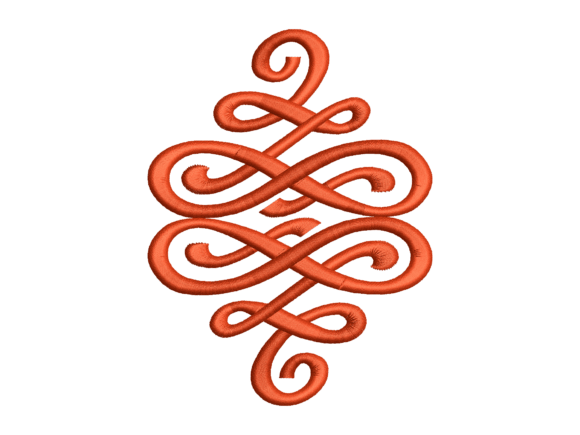
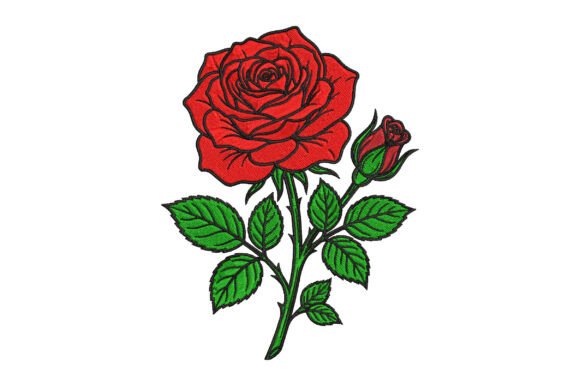
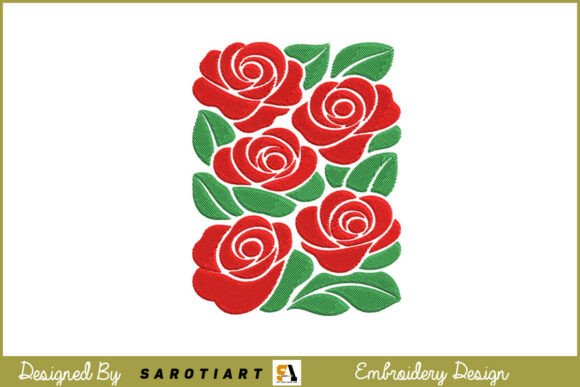
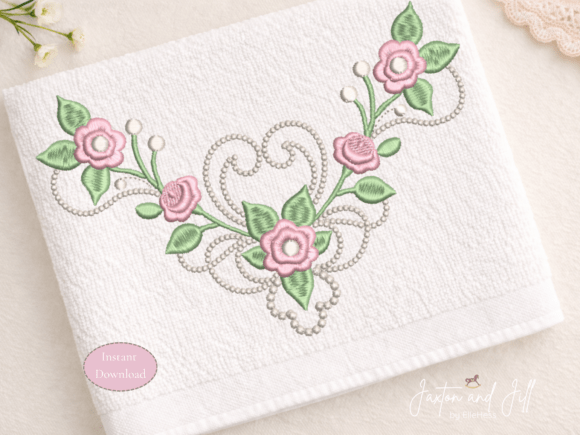
The design presents itself as a classic curved collar motif, anchored by delicate vintage roses and graceful leaves. What stands out most is the inclusion of elegant pearl scrolls. In many machine embroidery files, these scroll elements can become muddy or lose their definition when stitched at smaller scales. However, this design maintains a clear distinction between the soft petals of the roses and the structured lines of the pearls. The layout creates a natural focal point that draws the eye inward, which is perfect for framing a neckline or creating a decorative border on a garment.
The visual weight feels balanced. It isn't so dense that it creates a stiff, board-like texture, yet it has enough fill stitch to hold its shape against the grain of the fabric. For an Etsy seller or small shop owner, this balance is crucial because it translates well into product photography. A finished piece with this design looks intentional and polished, elevating the perceived value of the item whether it is a simple tea towel or a luxury silk blouse.
Real-World Application: From Concept to Finished Product
To truly understand the utility of this embroidery design, imagine you are preparing a custom order for a local bridal boutique. The bride wants a personalized touch on her mother-of-the-bride dress or perhaps a special accessory like a lace-trimmed sash. You pull up the Rose Neckline Machine Embroidery Design and visualize placing it along the upper chest area. The curved nature of the motif follows the natural line of the body perfectly, avoiding the awkward straight edges that often ruin a garment's silhouette.
Consider another scenario: a craft fair booth selling handmade kitchen linens. You have a stack of crisp white cotton aprons ready to go. Stitching this design onto the bib area of an apron transforms a utilitarian item into a cherished gift. The vintage rose theme resonates strongly with customers looking for rustic, farmhouse-style decor. When you show a mockup of the finished apron, the combination of the floral elements and the pearl accents suggests a level of craftsmanship that customers are willing to pay a premium for.
This design also shines when applied to baby items. A soft muslin swaddle or a christening gown benefits immensely from the gentle curves of the scrollwork. Unlike bold, blocky logos that can feel harsh on delicate skin, the flowing lines of the roses and leaves offer a soft, comforting aesthetic. For a maker specializing in nursery decor, this file could be the centerpiece of a coordinated set including pillow covers and wall hangings.
Technical Considerations and Fabric Choices
While the design is beautiful, every experienced designer knows that success lies in execution. The stitch density here requires careful attention to your stabilizer choice. Because the design features intricate details in the pearl scrolls and the center of the roses, using a cut-away stabilizer is highly recommended, especially if you are working with stretchy fabrics like jersey or lightweight knits. If you are embroidering on a sweatshirt or a heavy canvas tote bag, a tear-away might suffice, but for anything that needs to drape softly, cut-away ensures the design won't pucker over time.
Fabric selection is equally critical. This design thrives on light to medium-weight fabrics where the background color can provide contrast to the thread colors. If you plan to use this on dark fabric, you will need to ensure you have a high-quality underlay and potentially a backing layer to prevent the base fabric from showing through the lighter threads. Conversely, on very thin or sheer fabrics, the density of the fill stitches might create a hole effect, so testing on a scrap is non-negotiable.
There are specific areas where caution is advised. If you are attempting to fit this design into a small hoop size, such as those used for caps or patches, the curvature might get distorted. The design is intended to flow across a broader surface area. Trying to force a large neckline motif onto a small, curved cap brim could result in lost detail in the scrollwork. Similarly, if you are working on textured fabrics like bouclé or thick chenille, the fine lines of the running stitch and satin stitch may not register clearly, making the design appear flat or indistinct.
Maximizing Value for Commercial Projects
For those selling finished products or digital assets, the versatility of this design is a major asset. It bridges the gap between traditional heirloom sewing and contemporary fashion. A tote bag design featuring this motif appeals to a wide demographic, from school teachers to professional women who appreciate subtle elegance. When creating printable mockups for your online store, highlight how the design interacts with different thread colors. Showing the same design in ivory thread on white fabric versus navy thread on cream fabric demonstrates the adaptability of the file.
Customer trust is built on consistency. Using a design that holds its shape wash after wash reinforces your brand as a reliable source of quality. The Rose Neckline Machine Embroidery Design offers a timeless appeal that doesn't date quickly, meaning your products remain relevant season after season. Whether you are producing holiday gifts, wedding favors, or everyday wear, the emotional connection created by the vintage rose theme adds a layer of sentimentality that drives engagement.
Practical Designer Notes for Success
Before committing to a full production run, there are several steps every professional takes. First, always test the design on scrap fabric that matches the final project material. This allows you to check the thread color contrast and inspect small details that might get lost during the stitching process. Pay close attention to the corners of the scrollwork; if they appear jagged or uneven, you may need to adjust your tension or switch to a finer needle.
Review the stitch density carefully. If the design feels too heavy for your chosen fabric, consider adjusting the settings in your digitizing software to reduce the fill density slightly, though be wary of losing the structural integrity of the roses. Confirm the hoop size required to capture the entire motif without cutting off the ends of the curve. Also, verify the licensing terms before selling finished items or offering the file as a digital download, as commercial rights vary between creators.
Finally, compare the design in black and white mockups to ensure the composition works even without color. This helps you judge the balance of negative space and positive stitch work. By taking these practical steps, you ensure that the Rose Neckline Machine Embroidery Design delivers the same level of beauty and professionalism in the real world as it does on the screen. It is a robust tool for any creative entrepreneur looking to elevate their handmade product line with a touch of classic charm.